

 Phone: +86 138 0978 6784
 Phone: +86 198 9783 1949
 Email: wujiapei@tianli168.com
 Address: No2-3,Huaifeng Road, Huaide Community, Humen Town, Dongguan, Guangdong, China
I. Different Core Functions
Oxygen absorbers and desiccants serve distinct protective roles in packaging:
Oxygen Absorbers: Target oxygen as their primary object. They create a low-oxygen or oxygen-free environment by chemically absorbing oxygen from the packaging atmosphere, effectively preventing oxidative spoilage of the contents.
Desiccants: Target moisture as their primary object. They control humidity by physically adsorbing or chemically combining with water vapor in the packaging environment, preventing moisture damage to the contents.
II. Differences in Mechanism and Composition
Significant distinctions exist in the chemical composition and working principles of these two products:
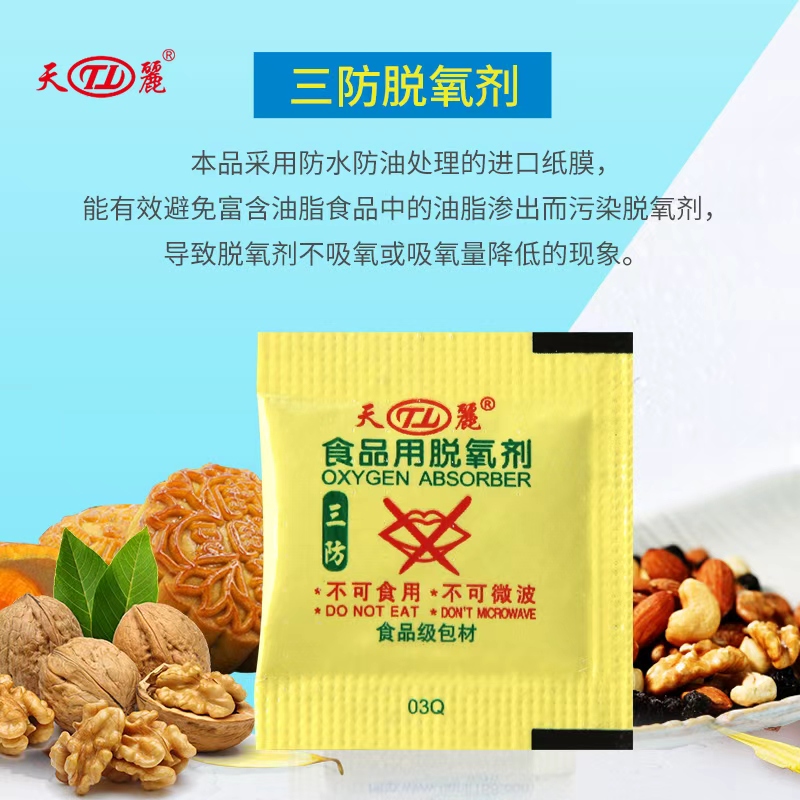
Oxygen Absorbers
Main Components: Active compounds such as reduced iron p owder or sodium ascorbate.
Mechanism: Utilize irreversible chemical reactions between the active components and continuously consume oxygen within the package.
Typical Applications: Products prone to oxidation like nuts, meat products, pastries, milk powder, and pharmaceuticals.
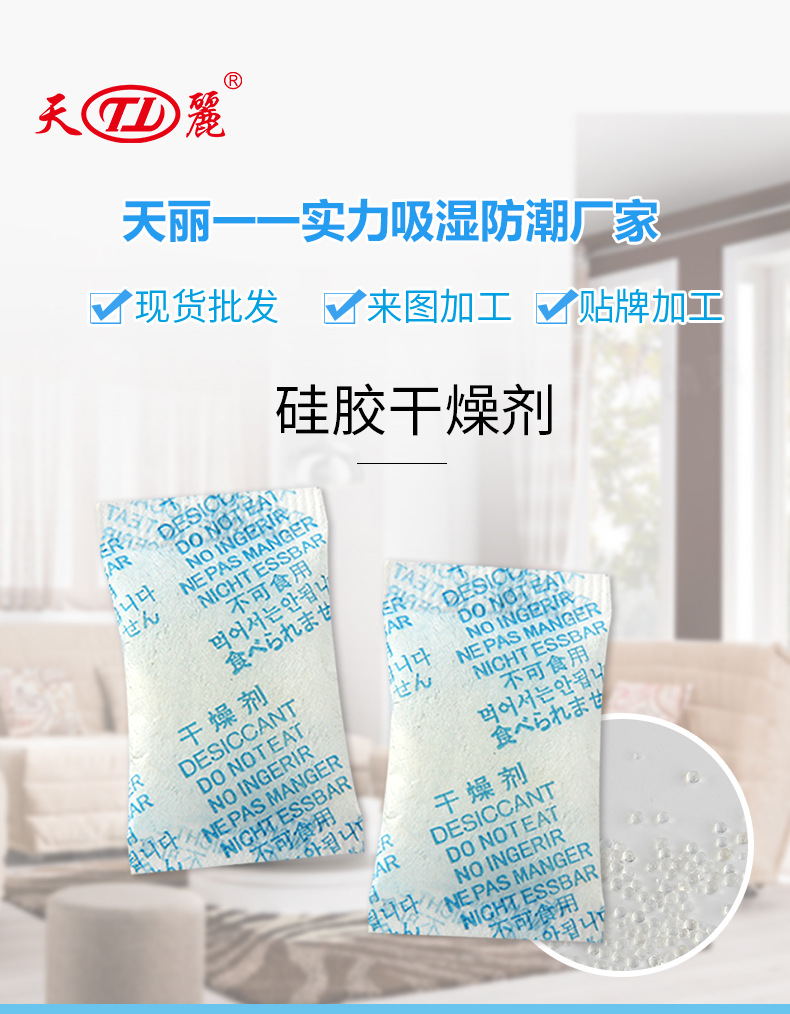
Desiccants
Main Components: Moisture-absorbing materials like silica gel, montmorillonite clay, or quicklime.
Mechanism: Absorb water molecules through the physical adsorption capabilities of porous materials or via chemical reactions that bind water.
Typical Applications: Moisture-sensitive products like seaweed, biscuits, tea, electronics, and precision instruments.
III. Application Scenarios and Selection Guidelines
Correctly choosing the right preservation solution depends on product characteristics:
Use Oxygen Absorbers when: Products are susceptible to fat/oil oxidation (leading to rancidity), color change, nutrient loss, or when inhibiting the growth of aerobic microorganisms is necessary.
Use Desiccants when: Products are prone to softening, caking, mold growth, corrosion, or performance degradation due to moisture.
Special Note: The functions of these two products are not interchangeable. Incorrect selection will lead to preservation failure. For products sensitive to both oxygen and moisture, the combined use of both products is recommended.
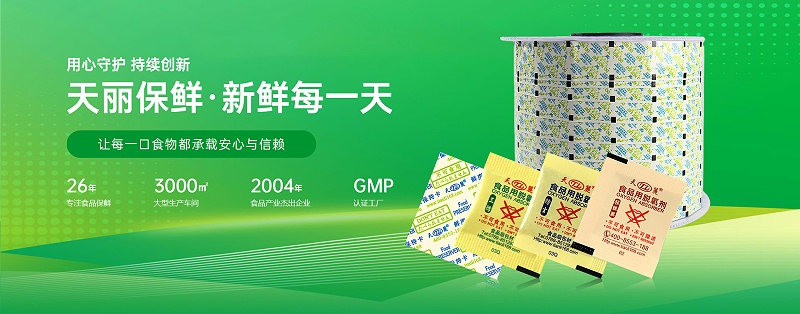
As a professional provider of food preservation solutions, we offer a complete product line and a comprehensive technical service system. We can provide personalized product selection advice and professional technical support to businesses. To learn more about our products or request samples for testing, please contact us via our official website. We look forward to discussing cooperation.
Home Certificates Oxygen Absorber Technology & Support Preservative Series About Products Sitemap Cases
Iron-Based Deoxidizer Non-Iron Deoxidizer Freshness Retention Agent Anti-Corrosion and Anti-Oxidant Desiccant More products
Case Studies of the Moonn Cake Industry Case Studies of the Cake Industry Case Studies of the Bread Industry Case Studies of the Nut and Roasted Seed Industny Case Studies of the Meat Products Industry
 Tianli
 Tianli
 TianliPhone: +86 138 0978 6784Phone: +86 198 9783 1949Email: wujiapei@tianli168.comAddress: No2-3,Huaifeng Road, Huaide Community, Humen Town, Dongguan, Guangdong, China
Dongguan Xinrong Tianli Technical Industry Co.,LtdTechnical support: SRNS