


In modern food industry and daily life,Food preservativeKnown as "invisible guards", they help food resist microbial invasion, oxidation reactions and adverse effects of the external environment, thereby extending the shelf life of food, ensuring food quality and the health of consumers. Behind this seemingly simple function lies profound scientific theories and extensive social significance.
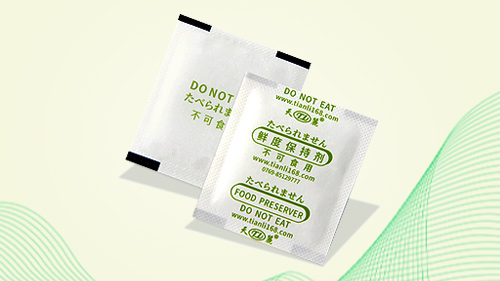
The core function of food preservatives
The mission of food preservatives is to delay the spoilage process of food. Their core functions can be summarized into three major aspects: antibacterial, preservative and antioxidant. Antibacterial mainly refers to delaying the growth of bacteria, molds and other microorganisms, which is one of the main causes of food spoilage. For instance, microorganisms in food can cause meat to spoil, fruits and vegetables to rot or dairy products to become sour. Preservatives fundamentally extend the storage time of food by inhibiting the reproduction of these microorganisms. The preservative function reduces the possibility of chemical changes in food through chemical or natural substances, such as preventing rancidity in fermented foods. The antioxidant function is used to counteract the oxidation effect of oxygen on food, especially high-fat food, thereby avoiding flavor change or nutrient loss caused by oxidation.
Preservatives and food safetyRelationship
The use of food preservatives is not only to extend the shelf life of food, but more importantly, it maintains food safety by inhibiting the reproduction of microorganisms and the production of harmful substances. For instance, in seafood, preservatives can effectively inhibit bacterial infections, thereby avoiding the risk of food poisoning. Antioxidants such as vitamins are present in processed meatsCIt is added to prevent fat from oxidizing and generating harmful substances, thereby ensuring the safety of food. However, the use of preservatives also needs to comply with certain standards and dosage regulations. Excessively high concentrations may cause health problems, which is a concern for both consumers and producers.
The effect on the texture and sensory quality of food
FoodPreservativeIt not only ensures the safety of food, but also, to a certain extent, is responsible for protecting the "appearance level" and "flavor" of food. For instance, the cling film or coating preservatives commonly used on the surface of fruits and vegetables can prevent the skin from drying out and fading, maintaining the freshness of the fruits and vegetables. For some oily foods and beverages, antioxidants not only prevent the taste from going rancid but also maintain the stability of the aroma. In addition, some preservatives also play a significant role in regulating the texture of food. For instance, humectants can keep baked goods soft for a long time without making them dry or hard.
The extensive significance of food preservatives to society
The use of food preservatives is not only crucial in the food industry, but also its social significance cannot be ignored. On the one hand, extending the shelf life of food is of great help in reducing food waste worldwide. According to the Food and Agriculture Organization of the United NationsFAOData shows that every year, food is wasted globally, accounting for as much as one-third of the total production. The resulting resource waste and environmental pollution problems cannot be underestimated. By using food preservatives rationally, food can be stored more durable during circulation and consumption, reducing losses. This has a positive effect on agricultural production and the food supply chain. On the other hand, preservatives can also help food brands with relatively lower economic benefits to transport and distribute across regions more calmly, especially in the markets of developing countries, providing more people with safe and high-quality products optimalFood.